



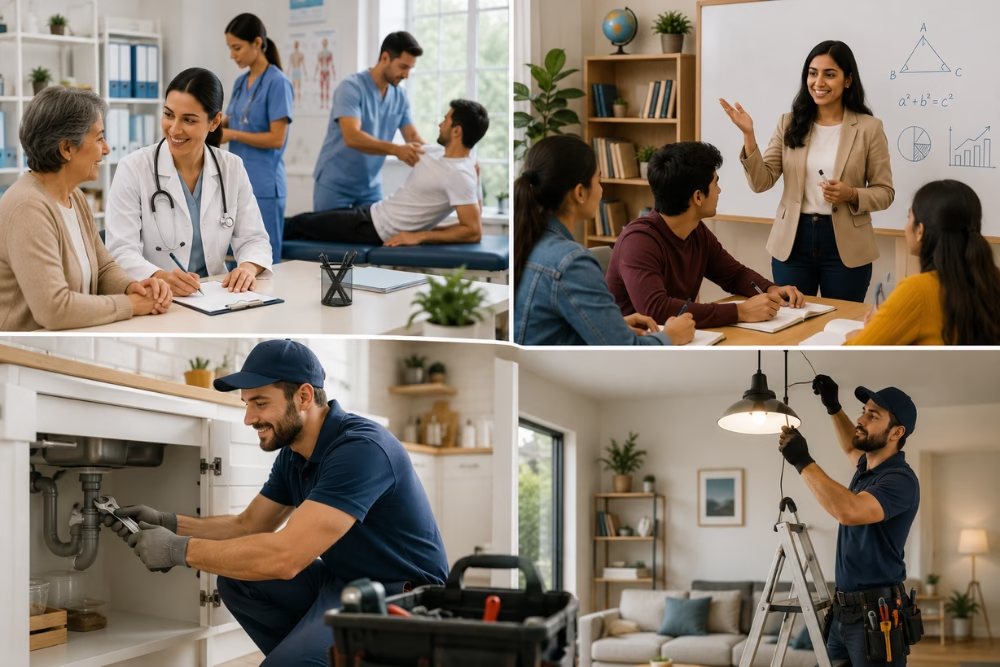
As artificial intelligence continues to transform industries, many entrepreneurs are looking for profitable small business ideas that can remain successful in the long term. You may wonder, are there ventures immune to automation? Yes, indeed. These enterprises demand a level of human touch, creativity, and emotional intelligence that AI struggles to replicate. By exploring such technology-safe professions, you can position yourself in a domain that values human-centric services, fostering a more secure future. This article explores profitable small business ideas that AI can’t easily replace and explains why they remain valuable in an increasingly technology-driven world.
Why Some Small Businesses Are Hard for AI to Replace
The allure of AI often lies in its efficiency and cost-effectiveness. Many small businesses rely on uniquely human skills that are difficult for AI to replicate. The essence of many small businesses lies in their human-centered dynamics — something technology can’t effectively reproduce. These businesses thrive on creativity, emotional intelligence, and personal interaction, all aspects where AI falls short.
Many AI-resistant businesses also require critical thinking, adaptability, and hands-on expertise. Creative businesses such as handmade crafts and custom tailoring, along with service-based professions like coaching, counselling, and consulting, depend on personalised solutions and human judgment that technology cannot easily replace.
The value of a business steeped in human experience is not only in its service or product but in the connection it fosters. By focusing on such endeavors, you ensure your enterprise is robust against automation, reinforcing its place in the market with a timeless human touch.
Home Service Businesses
Home service businesses are among the most AI-resistant because they depend on practical skills, hands-on work, and direct customer interaction. You may already know, home improvement, maintenance, and personal services like cleaning or gardening cater to bespoke customer needs. These services rely on personal preferences, on-the-spot problem-solving, and adaptability, which are challenging for AI to replicate.
Professionals such as electricians, plumbers, and landscapers must assess different environments, diagnose unexpected problems, and provide customised solutions. These tasks require human judgment and hands-on expertise.
- Electricians and Plumbers: These tradespeople work in diverse settings, requiring problem-solving skills and extensive field knowledge.
- Cleaning and Laundry Services: Personalized approaches, adapting to each client’s specific needs, preferences, and schedules.
- Landscaping: Tailoring environmental design to a client’s vision demands creativity, another AI limitation.
As demand for reliable home services continues to grow, these businesses offer strong income potential while remaining highly resistant to AI-driven automation.
Creative and Handmade Businesses
Creativity and craftsmanship are human attributes that AI struggles to emulate. The personal touch and emotional depth found in handmade and creative businesses are irreplaceable. You can capitalize on this by delving into industries that celebrate human creativity, such as art, jewelry design, or bespoke fashion.
Unlike mass-produced goods, handmade products reflect individual skill, attention to detail, and creativity. Customers increasingly seek customised and artisan-made items because they offer quality, authenticity, and a personal story that automated production cannot easily deliver.
- Jewelry Design: Every piece tells a unique story, requiring design skills and a personal touch.
- Artisanal Baking: Custom creations and decorations tailored to special occasions.
- Craftsmanship: Furniture making, pottery, and more that combine skill, art, and functionality.
By investing in creative and handmade ventures, you ensure your offerings are not just products but unique pieces of art that are intrinsically resistant to AI-driven automation.
Education and Coaching Services
Education and coaching businesses remain highly resistant to AI because they rely on mentorship, personalised guidance, and meaningful human interaction. Services such as private tutoring, career coaching, executive coaching, and skills training continue to grow as people seek customised learning experiences.
Although AI can assist with learning materials and administrative
- Life Coaching: Fosters personal development through empathy and motivation.
- Academic Tutoring: Requires adaptability to personal learning paces and styles.
- Corporate Training: Involves tailored programs to fit unique organizational cultures.
By shaping careers in education and coaching, you not only contribute to individual growth but also maintain a foothold in a profoundly human-centric industry, making it highly AI-resistant.
Healthcare and Personal Care Businesses
The healthcare industry thrives on human interaction, empathy, and personal care. While AI is a powerful tool for diagnostics and data analyses, it lacks the capability to fully empathize or physically care for individuals. Your role in personal care businesses, like healthcare, is indispensable as these areas demand high levels of human understanding and interaction.
Personal care, such as hairstyling, wellness coaching, or physical therapy, requires a distinct human approach. These professions emphasize building trust and understanding nuances – be it in the context of a healing touch or listening ear.
- Nurses and Caregivers: Require empathy, patience, and understanding beyond the realm of machines.
- Therapists: Offer mental health support combining trust and deep emotional insight.
- Salon and Spa Services: Focus on individuality, tailoring services to personal needs and preferences.
As demand for healthcare and personal wellness continues to grow, these businesses offer strong long-term opportunities while remaining highly resistant to AI-driven automation.
Businesses Built on Human Relationships
Businesses built on trust, communication, and long-term relationships remain among the most difficult for AI to replace. Services such as event planning, consulting, public relations, and customer experience management depend on meaningful human interaction and personalised service.
If your expertise lies in these domains, recognize that such professions thrive on the skills of negotiation, empathy, and emotional intelligence. Here, the ability to read situations, mediate, and adapt to interpersonal dynamics is invaluable, skills that are inherently human.
- Event Coordinators: Manage complex scenarios and have the ability to personally cater to the unique needs of each event attendee.
- Consultancies: Offer insights drawn from experience and emotion, fostering trust and guidance.
- Public Relations: Involve crafting human-centric messages, fostering public engagement and trust.
As businesses continue to value trust and personalised service, relationship-driven ventures offer strong long-term potential while remaining highly resistant to AI-driven automation.
How to Build a Future-Proof Business in the AI Era
As AI continues to evolve, entrepreneurs should focus on building businesses that combine human expertise with technology. The most future-proof businesses are those that deliver value through creativity, trust, problem-solving, and personalised customer experiences.
Start by emphasizing the customer experience. Personalization and customer-centric approaches ensure an engaging interaction that technology can’t offer. Invest in skills that AI cannot replicate, like emotional intelligence, creativity, and personal engagement – factors that resonate deeply with clients.
- Prioritize Human Skills: Develop soft skills such as empathy and communication that create unique value.
- Embrace Technology: Use AI for efficiency, but ensure the personal touch remains your business’s cornerstone.
- Build Strong Customer Relationships: Encourage trust, loyalty, and long-term engagement through personalised service and consistent support.
By strategically blending technology with inherent human strengths, your business can thrive and adapt amidst technological shifts, ensuring you stay ahead in an ever-evolving marketplace.
Conclusion
In summary, the prospect of a technology-dominated future need not deter you from pursuing entrepreneurial dreams focused on human-centric enterprises. Businesses in home services, creative industries, education, coaching, healthcare, and relationship-based services remain difficult for AI to replace because they rely on creativity, trust, problem-solving, and meaningful human interaction. Embracing these opportunities can lead to a sustainable, future-proof business that highlights the irreplaceable value of the human touch. As you champion these unique attributes, remember that the future of entrepreneurship thrives on the delicate balance between innovation and humanity.
Frequently Asked Questions (FAQs)
1. What are the best small business ideas that AI can’t easily replace?
Some of the best AI-resistant small business ideas include home services (such as plumbing, electrical work, and landscaping), creative and handmade businesses, education and coaching services, healthcare and personal care businesses, and relationship-based services like event planning and consulting. These businesses rely on human expertise, creativity, and personal interaction.
2. Why can’t AI replace certain small businesses?
AI can automate repetitive and data-driven tasks, but it struggles to replicate human qualities such as empathy, creativity, critical thinking, hands-on skills, and emotional intelligence. Businesses that depend on these abilities are less likely to be fully replaced by AI.
3. How can entrepreneurs build a future-proof business in the AI era?
Entrepreneurs can build a future-proof business by focusing on personalised customer experiences, developing strong communication and problem-solving skills, embracing AI as a productivity tool, and offering services that require human judgment and meaningful relationships.
4. Are home service businesses safe from AI automation?
Home service businesses are among the most AI-resistant because they require on-site problem-solving, technical expertise, and direct customer interaction. Services such as plumbing, electrical work, cleaning, landscaping, and home maintenance continue to have strong demand despite advances in AI.
5. Can AI help small businesses instead of replacing them?
Yes. AI can help small businesses automate routine tasks such as scheduling, customer support, marketing, and data analysis. By using AI to improve efficiency while maintaining a strong human touch, businesses can increase productivity without sacrificing the personalised service customers value.
