



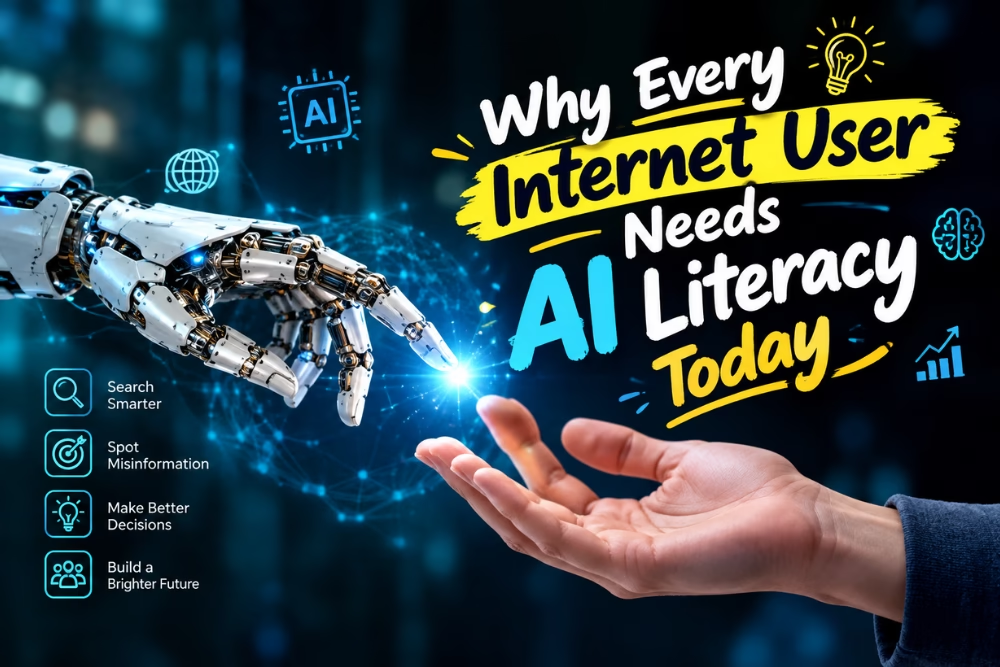
In an era where digital proficiency is not just an advantage but a necessity, understanding artificial intelligence (AI) has become crucial for internet users worldwide. AI powers many of the online services we use every day, including search engines, social media platforms, streaming services, online shopping, and virtual assistants.
As AI continues to shape the internet and, indeed, the world, acquiring AI literacy is essential for everyone. But what does it mean to be “AI literate,” and why is it so important today? This article explores these questions, unveiling the critical role AI literacy plays in enhancing online experiences and ensuring safety in the digital age.
Introduction to AI Literacy
AI literacy is more than just a buzzword in today’s tech-driven society; it is a vital skill that helps you understand and interact with technologies that are omnipresent in our daily lives. AI literacy refers to the ability to understand, interpret, and engage with AI systems in a meaningful way. It includes understanding how AI works, where it is used, its benefits and limitations, and how technologies such as machine learning and generative AI influence everyday digital experiences.
Being AI literate means that you are equipped to navigate a world increasingly defined by algorithms and data. This literacy empowers you to critically evaluate AI systems, understand their capabilities and limitations, and make informed decisions in an AI-influenced environment. In essence, AI literacy is not just about consuming technology passively but actively engaging with and understanding the technologies that shape our digital experiences.
How AI Shapes Everyday Internet Use
As an internet user, you might not always be aware of how deeply AI infiltrates your digital activities. AI shapes your online experiences in myriad ways, often operating behind the scenes. One of the most prevalent examples is the use of AI-driven algorithms by search engines like Google. These algorithms determine the relevance of search results based on numerous factors, including your browsing history and location, tailoring the information to enhance your search experience.
Social media platforms also harness AI to curate content, analyze engagement patterns, and recommend connections. Platforms like Facebook and Instagram use AI to learn your preferences and suggest posts, ads, and friends that align with your interest. Additionally, AI has transformed online shopping experiences. E-commerce giants like Amazon utilize AI to predict your shopping needs, personalize recommendations, and streamline customer service through chatbots.
The increasingly personalized nature of AI across these platforms underscores the importance of AI understanding. It provides you with the tools to recognize how your online environment is constructed, allowing for more informed and intentional interaction with digital content.
Benefits of AI Literacy for Internet Users
AI literacy offers various benefits that enhance your ability to navigate the digital world effectively. Understanding AI enables you to harness the full potential of technology while also acknowledging its limitations and biases. Here are some key benefits of AI literacy:
- Informed Decision-Making: AI literacy empowers you to make decisions based on an understanding of how AI influences the information you receive.
- Smarter Use of AI Tools: AI literacy helps you use AI-powered tools more effectively for learning, work, creativity, and everyday tasks while understanding their strengths and limitations.
- Reduced Bias in AI Systems: A deeper understanding of AI can help you recognize biases in AI outputs and advocate for fairer, more equitable technologies.
- Employment Opportunities: As AI continues to permeate various industries, having AI literacy can enhance your employability, opening doors to roles that require interaction with AI systems.
How AI Literacy Improves Online Safety
AI literacy also plays a crucial role in improving your online safety. In an age where data breaches and cyber threats pose significant risks, understanding how AI functions can protect you against these dangers. AI literacy helps you identify AI-powered scams, phishing emails, deepfakes, fake websites, and other deceptive content, making it easier to protect your personal information online.
Furthermore, AI literacy allows you to better understand privacy settings and data usage policies on various platforms. By comprehending how AI collects and processes your data, you can make informed decisions about what information to share and how to configure privacy settings to safeguard your personal information.
Ultimately, the more literate you are about AI, the more equipped you are to employ proactive measures to maintain your digital security and privacy.
Everyday AI Tools and How They Work
AI technologies take multiple forms in the tools and applications you use daily. To gain AI literacy, it’s vital to understand how some of these tools work:
- Virtual Assistants: Siri, Alexa, and Google Assistant use natural language processing (NLP) to interpret your commands and provide responses, utilizing AI algorithms to learn from your interactions and improve over time.
- Chatbots: Often found on customer service websites, chatbots also utilize NLP to engage with and respond to user inquiries autonomously, offering around-the-clock support.
- Recommendation Systems: Used by platforms like Netflix, Spotify, YouTube, Amazon, and social media apps, AI recommendation systems analyze your activity to suggest content, products, and posts based on your interests.
Understanding how these tools operate gives insight into the AI processes that enhance their functionality, enabling you to leverage them more effectively.
How to Improve Your AI Literacy
Improving your AI literacy involves a combination of education, practice, and engagement with AI technologies. Here are several steps you can take:
- Online Courses: Participate in online courses and seminars focused on AI basics to deepen your understanding of AI concepts and applications.
- Hands-On Experience: Engage with AI tools and platforms, experimenting with features and settings to see firsthand how they function.
- Stay Updated: Follow trusted AI news, official documentation, blogs, and educational resources to keep up with the latest AI tools, trends, and best practices.
- Community Engagement: Join online forums and communities focused on AI discussions, which provide platforms for learning, sharing experiences, and asking questions.
These practices help create a solid foundation for AI literacy, ensuring that you remain both informed and competent in navigating AI-enhanced environments.
Conclusion
As technology continues to evolve, AI literacy becomes increasingly significant for every internet user. The ability to understand and engage with AI translates into more informed, safe, and personalized digital experiences. By improving your AI literacy, you can use AI tools more responsibly, identify misinformation, protect your privacy, and make smarter decisions in an increasingly AI-powered world.
In embracing AI literacy, you are equipping yourself with the knowledge and skills needed to thrive amidst technological advancements, ensuring that you remain a savvy and secure participant in the ever-evolving digital world.
Frequently Asked Questions (FAQs)
1. What is AI literacy, and why is it important?
AI literacy is the ability to understand how artificial intelligence works, where it is used, and how it affects everyday digital experiences. It is important because it helps people use AI responsibly, evaluate AI-generated content, and make informed decisions online.
2. How does AI affect everyday internet use?
AI powers many online services, including search engines, social media feeds, streaming recommendations, online shopping, virtual assistants, and customer support chatbots. It personalizes content and improves user experiences based on your preferences and online behavior.
3. How can AI literacy improve online safety?
AI literacy helps you recognize AI-powered scams, phishing emails, deepfakes, fake websites, and misinformation. It also enables you to understand how your personal data is collected and used, helping you make safer choices online.
4. What are some common AI tools people use every day?
Many people use AI-powered tools daily, such as ChatGPT, Google Gemini, Siri, Alexa, Google Assistant, Netflix and YouTube recommendation systems, customer service chatbots, translation tools, and AI-powered search engines.
5. How can I improve my AI literacy?
You can improve your AI literacy by taking online AI courses, using AI tools regularly, following trusted AI news and educational resources, exploring official documentation, and participating in AI-focused communities and discussions. These activities help you better understand AI technologies and their real-world applications.
