



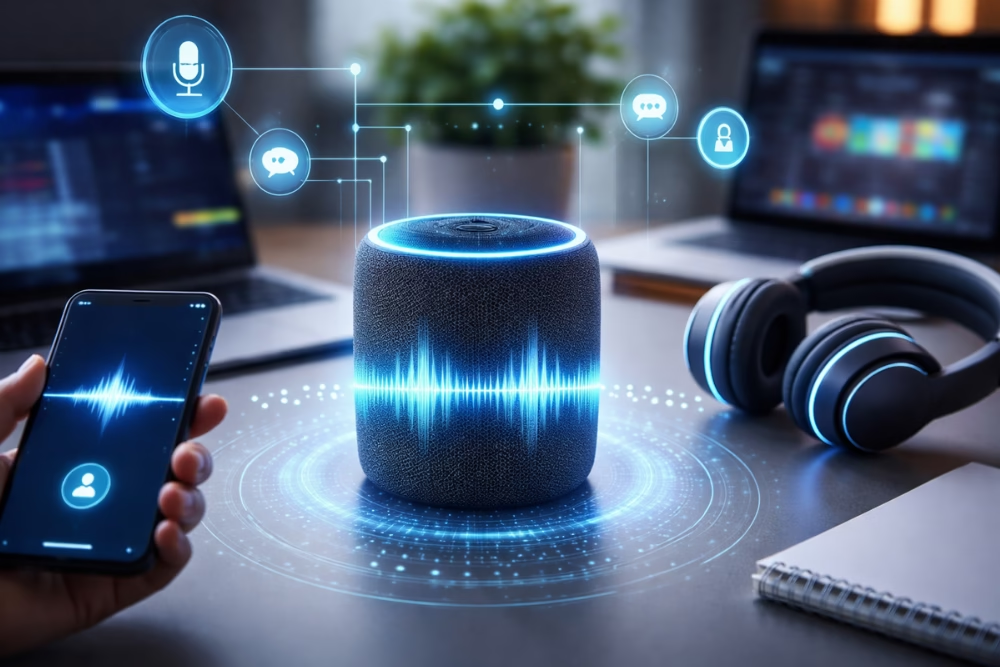
Audio-first technology is changing the way people interact with digital platforms by making communication more natural and hands-free. From voice assistants to audio-based apps, sound is becoming a key part of everyday digital experiences. This shift shows how audio-driven innovation is influencing modern communication across different devices and services. This article looks at how audio-first technology is shaping digital communication, along with its main benefits, challenges, and future trends.
Audio-First Technology
Audio-first technology focuses on using voice and sound as the main way to interact with digital devices. Unlike traditional systems that rely on screens and text, this approach is based on speaking and listening. Its growth is supported by advances in AI, which improve speech recognition and voice processing. These advancements facilitate more seamless interactions between humans and machines.
The audio-first approach prioritizes voice as the primary user interface, breaking from conventional text or touch-based interactions. This modality not only reflects the organic human tendency towards spoken communication but also aligns with the growing need for hands-free and efficient interaction with technology. As individuals become increasingly occupied, the demand for auditory-based solutions capable of delivering continuous connectivity and communication without intensive visual engagement is on the rise.
The Rise of Voice-Activated Devices
The growing use of voice-activated devices shows how audio-first technology is becoming more common. With tech giants such as Amazon, Google, and Apple investing heavily in smart speakers and voice assistants, devices like Amazon Echo, Google Home, and Apple’s Siri have become household staples. These devices make it easier to control digital tasks using simple voice commands.
Voice-activated devices offer users a diverse range of functionalities, from setting reminders and streaming music to controlling smart home devices and providing weather updates. Their inherent simplicity and accessibility extend their appeal across various age groups, reflecting an intuitive understanding of human language and prompting wider adoption. In workplaces, they help manage simple tasks through hands-free interaction.
-
- Hands-Free Convenience: These devices epitomize easy task management without manual intervention.
- Home Automation: Voice-activated devices have transformed how individuals manage smart home ecosystems.
Audio-First Applications in Everyday Life
Audio-first technology is also used in many areas of daily life, improving convenience and connectivity. One common example is in-car systems, where voice recognition helps drivers stay focused while using navigation and controls. Drivers can execute tasks such as navigation, messaging, and entertainment controls without diverting attention from the road.
In education, audio-first technology facilitates personalized learning experiences through voice-guided tutorials and virtual classrooms. Students benefit from engaging auditory content, fostering more effective and diverse learning environments. Many customer service platforms now use voice chatbots to provide faster and more accurate responses.
Health and fitness experiences have also been revolutionized by audio-driven innovations, such as virtual fitness trainers and health monitoring devices. These technologies enable users to access real-time feedback and guidance, promoting healthier lifestyles. By embracing audio-first applications, industries are evolving to meet the for tailored, efficient, and user-friendly digital interactions.
Benefits of Audio-Driven Innovation
Audio-driven innovation offers several benefits in digital communication, improving both user experience and efficiency. It provides a more natural way to interact compared to text or screen-based systems.
The benefits extend beyond personalization and accessibility. Audio-first technology also supports greater inclusivity, catering to individuals with visual impairments or literacy limitations. Audio delivery helps users who find traditional interfaces difficult to use.
- Intuitive Interaction: Speech-based interfaces utilize natural communication methods, improving ease of use.
- Increased Accessibility: Audio-first solutions overcome barriers for users with visual or reading difficulties.
- Efficient Communication: Real-time voice interaction enhances responsiveness and decision-making.
Challenges of Audio-First Technology
Audio-first technology offers many benefits, but it also comes with a few challenges. Privacy and security are major concerns, as voice devices collect and process user data. Safeguarding user privacy while ensuring the proper handling of personal information remains a critical focus for developers.
Accuracy in speech recognition is another notable challenge. Despite the progress of AI, voice recognition errors can disrupt the user experience. Additionally, the challenge of ambient noise interference continues to affect the clarity and precision of audio-first devices, demanding sophisticated noise-canceling solutions.
Different languages and accents also make it harder for audio-first systems to work accurately for everyone. These challenges underscore the necessity for innovation and resilience within the field to overcome barriers and realize the full potential of audio-first communication.
Future Trends in Audio-First Technology
As audio-first technology continues to develop, several trends are shaping its future. Greater integration of artificial intelligence will likely enhance system interactivity, enabling devices to understand and respond in more contextually appropriate manners. The future of audio-driven innovation also entails more personalized and adaptive experiences, with systems capable of learning user preferences over time.
Machine learning is improving voice recognition, making interactions more accurate and reliable. Additionally, the incorporation of audio-augmented reality (audio-AR) presents exciting possibilities, blending real-world audio contexts with digital overlays for more immersive experiences.
Collaboration between tech companies may help expand the features of audio-first devices. As enterprises pool resources and expertise, the blending of IoT and audio-first modalities can open new horizons for innovation and connectivity.
Final Thoughts on Audio-First Communication
Audio-first technology is becoming an important part of digital communication, offering simpler and more natural interaction. As technology becomes more advanced, combining audio with AI and other tools will continue to improve user experiences.
Despite some challenges, ongoing improvements suggest a positive future for audio-first communication. As consumers and industries alike embrace this technology, the implications for productivity, accessibility, and user-centric design continue to expand, heralding a new era of digital interaction and connectivity.
